

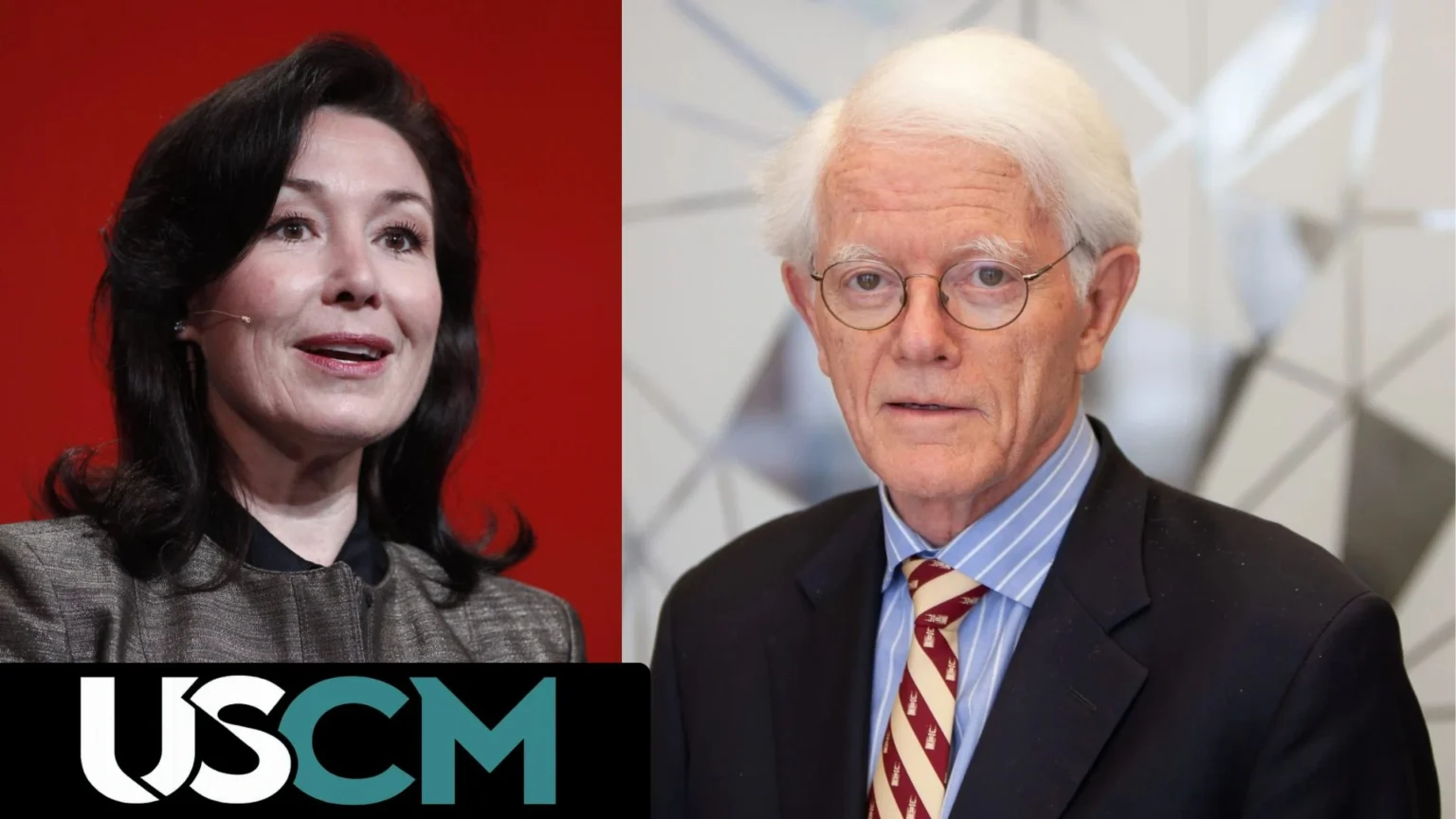
Peter Lynch and Safra Catz are often searched together. But they are not known relatives, spouses, or business partners.
Their clearest documented connection is far more interesting: both studied at Wharton, then used financial expertise in completely different ways. Lynch became a legendary investor. Catz became one of technology’s most influential corporate executives.
Peter Lynch and Safra Catz: Quick Comparison
| Fact | Peter Lynch | Safra Catz |
|---|---|---|
| Profession | Investor, author, philanthropist | Corporate executive |
| Best Known For | Fidelity Magellan Fund | Oracle leadership |
| Major Organization | Fidelity | Oracle |
| Education Link | Wharton MBA | Wharton undergraduate |
| Main Expertise | Stock selection | Finance, operations, strategy |
| Leadership Position | Former Magellan manager | Oracle Executive Vice Chair |
| Career Perspective | Evaluated companies externally | Managed a company internally |
| Direct Relationship | No established relationship | No established relationship |
This distinction answers the biggest question immediately. Their names belong together mainly as a business comparison, not a relationship story.
Are Peter Lynch and Safra Catz Actually Connected?
There is no established evidence of a family relationship. Reliable biographies also do not identify them as business partners.
Peter Lynch‘s documented professional life centers on Fidelity, investing, writing, and philanthropy. Boston College identifies him as the former portfolio manager of Fidelity’s Magellan Fund.
Safra Catz built her career through investment banking and Oracle. Oracle currently identifies her as Executive Vice Chair of its board.
The interesting connection comes through education.
Lynch earned an MBA from the University of Pennsylvania’s Wharton School. Catz graduated from Wharton in 1983. She then earned her law degree from Penn in 1986.
They attended during different periods. Therefore, the Wharton connection does not mean they studied together.
Connection Reality Check
| Question | Verified Answer |
|---|---|
| Are they married? | No |
| Are they relatives? | No established evidence |
| Did they build a company together? | No established evidence |
| Did they attend Wharton? | Yes |
| Did they attend together? | No |
| Are both closely connected with finance? | Yes |
| Did they build careers the same way? | No |
This is the key context often lost when their names appear together online.
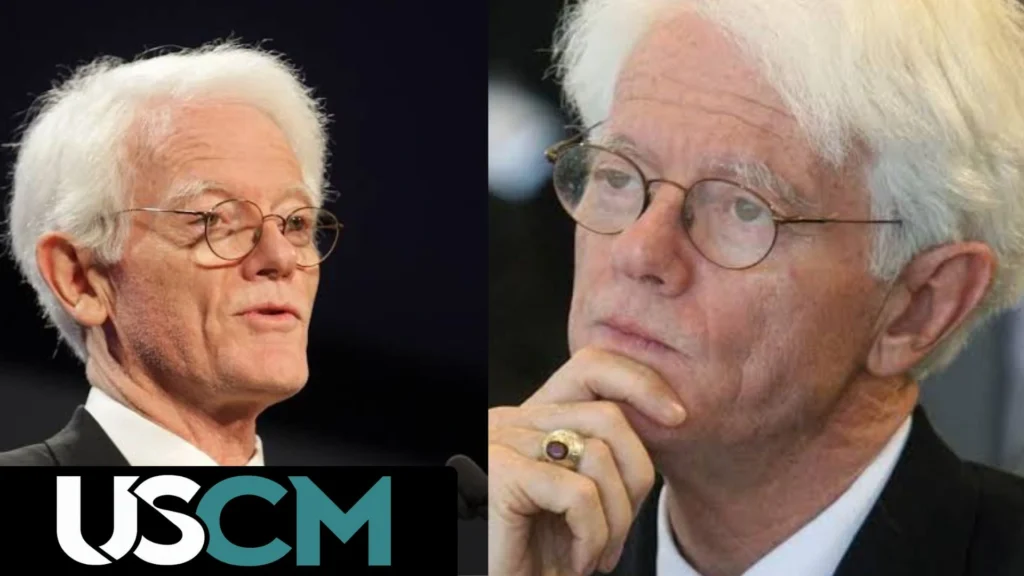
Peter Lynch: From Fidelity to Investment Education
Peter Lynch became famous through Fidelity’s Magellan Fund.
Boston College identifies Lynch as a former Magellan portfolio manager. It says Magellan became the country’s top-ranked general equity fund during his tenure.
His influence did not stop with professional fund management.
Lynch wrote One Up on Wall Street and Beating the Street. He also co-authored Learn to Earn. Boston College says his books have been translated into 17 languages.
His broader impact came from making investment research understandable. Lynch encouraged investors to study businesses they could understand.
That idea is sometimes reduced to “invest in what you know.” But Lynch’s approach involved much more research than that phrase suggests.
Understanding a product could start the investigation. It could not replace financial analysis.
What Made Lynch’s Approach Different?
Lynch focused heavily on individual businesses.
Instead of relying only on economic predictions, he examined company fundamentals. Growth, debt, valuation, competitive position, and business prospects mattered.
That created a practical bridge between everyday observation and professional investment research.
His lasting influence therefore has two parts:
- His record as a professional fund manager.
- His ability to explain investing to ordinary readers.
The second part helps explain why his name remains prominent decades after leaving Magellan management.
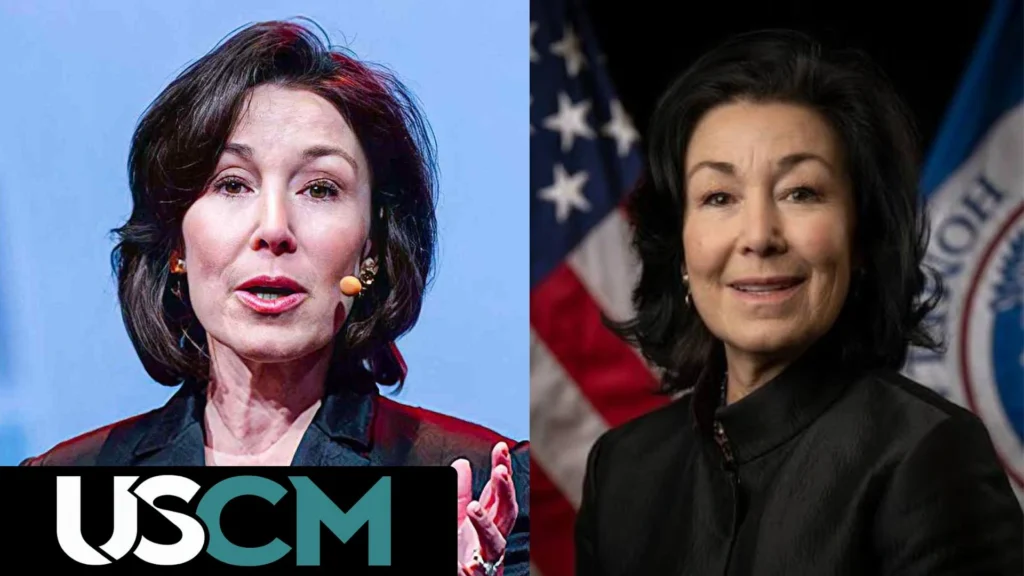
Safra Catz: Finance Before Technology Leadership
Safra Catz took almost the opposite route.
She did not build her reputation by selecting public stocks. She became influential by making financial and strategic decisions inside a corporation.
Before Oracle, Catz worked at Donaldson, Lufkin & Jenrette. Oracle says her positions included Managing Director in Investment Banking.
She joined Oracle in 1999.
Her responsibilities expanded dramatically over the following decades. She held positions including president, chief financial officer, executive vice president, and senior vice president.
Wharton also highlights her role in Oracle’s PeopleSoft takeover. That transaction became an important part of her corporate reputation.
Catz eventually reached Oracle’s highest executive level.
Today, however, calling her “Oracle CEO” is outdated.
Oracle’s current leadership information identifies Safra Catz as Executive Vice Chair of the Oracle Board of Directors.
That distinction matters for any article updated in 2026.
One School, Two Uses of Financial Knowledge
The Wharton connection gives this comparison substance.
Lynch studied finance before becoming famous for analyzing companies from an investor’s position.
Catz combined business education with legal training. She later worked in investment banking before entering corporate leadership.
Their careers demonstrate two different applications of financial judgment.
| Decision | Lynch’s World | Catz’s World |
|---|---|---|
| Main question | Is this company worth investing in? | How should this company grow? |
| Capital role | Investor | Corporate executive |
| Analysis target | Public companies | Corporate operations and strategy |
| Main risk | Investment loss | Strategic and operational failure |
| Success measure | Investment performance | Corporate execution |
| Career environment | Asset management | Enterprise technology |
This is a more meaningful comparison than simply putting their estimated wealth side by side.
Lynch analyzed value largely from outside businesses.
Catz helped create and manage value from inside a business.
The Capital-Allocation Difference Most Comparisons Miss
Both careers involve money, but their authority over capital differed.
A portfolio manager can reject an investment. If a company’s valuation or fundamentals look unattractive, the investor can simply move elsewhere.
A senior executive cannot make the same decision.
Executives must allocate resources while remaining responsible for employees, customers, existing products, debt, investments, competitors, and long-term strategy.
That difference changes how financial discipline works.
Lynch’s job rewarded finding attractive businesses.
Catz’s executive work required helping make a business more competitive.
This “outside versus inside” perspective offers the clearest framework for comparing them.
Safra Catz’s PeopleSoft Role Shows the Difference
Catz’s involvement in Oracle’s PeopleSoft acquisition illustrates corporate capital allocation.
Wharton described her as a central figure behind Oracle’s takeover effort. The transaction involved more than identifying an attractive company.
Oracle had to consider price, financing, competitive implications, integration, and long-term strategic value.
That is fundamentally different from purchasing shares.
An investor buys part of a company without controlling its daily operations. An acquiring corporation takes responsibility for combining businesses.
Catz’s career therefore provides a useful counterpoint to Lynch’s.
Both required analysis. Their ability to act on that analysis was different.
Peter Lynch’s Less-Discussed Legacy: Philanthropy
Investment performance dominates most Lynch profiles. His philanthropic work deserves equal factual attention.
Peter and his late wife, Carolyn Lynch, became major supporters of Boston College.
The university says the couple announced a gift exceeding $10 million in 1999. Boston College later named its School of Education in their honor.
They made another $10 million commitment in 2010. That funding helped establish the Lynch Leadership Academy.
Their foundation also supported organizations including City Year, Teach For America, Americares, and Partners In Health.
This adds another dimension to Lynch’s legacy.
His career generated financial influence. His later philanthropy redirected part of that influence toward education and community organizations.
Personal Lives: What Is Actually Verified?
Personal information deserves stricter sourcing than career facts.
Boston College states that Peter and Carolyn Lynch were married for more than 46 years. They had three daughters and six grandchildren.
Carolyn Lynch died in October 2015.
Safra Catz keeps a comparatively private public profile. Wharton’s profile has previously noted her preference for staying away from extensive media attention.
For that reason, this article does not use unsupported personal-life details merely to make the biography longer.
The same rule applies to both people: absence of public information should not be filled with assumptions.
What About Peter Lynch and Safra Catz’s Net Worth?
Exact net-worth numbers should be treated carefully.
Celebrity websites publish estimates for both individuals. Those estimates can change substantially between publications.
They may combine stock holdings, compensation estimates, investments, property, and other assumed assets.
That does not make them audited personal financial statements.
For Catz, public corporate disclosures can document compensation and certain securities information. They still do not reveal every component of her personal finances.
Lynch’s private investments after his Magellan career create similar limitations.
Therefore, an exact current figure should be labeled an estimate, not established fact.
For understanding their careers, their documented professional records are more useful than speculative wealth rankings.
What Their Careers Actually Have in Common
The comparison becomes stronger when speculation disappears.
Both developed sophisticated financial backgrounds. HE Both built long associations with major American institutions. Both became influential without following identical career paths.
Their Wharton connection adds another similarity.
Yet their professional legacies remain distinct.
Peter Lynch is remembered primarily for investment management, financial writing, and philanthropy.
Safra Catz is known for investment banking experience, corporate finance, strategic transactions, and decades of leadership at Oracle.
Their stories demonstrate that financial expertise does not lead to one career destination.
It can help someone evaluate businesses.
It can also help someone run them.
Final Answer: What Connects Peter Lynch and Safra Catz?
Peter Lynch and Safra Catz have no established family or business relationship. Their strongest documented connection is educational: both attended Wharton, though during different periods.
Lynch built his reputation through Fidelity’s Magellan Fund. Catz built hers through investment banking and decades of leadership at Oracle.
The more useful comparison is therefore not “Are they connected?”
It is how two financially trained leaders created influence from opposite sides of a company.
Lynch became famous for deciding which businesses deserved investment.
Catz became famous for helping decide how a major business should deploy its resources.
That difference makes their shared Wharton background much more interesting than an invented personal connection.
Read more : Esli Mendez: How a Teen Creator Built a Multi-Million Social Audience